Australian researchers have achieved a striking scientific milestone, teaching lab‑grown human brain cells to play the iconic 1990s shooter Doom. The work comes from Melbourne‑based biotech company Cortical Labs, which specialises in combining living neurons with computer hardware to explore new forms of computing.
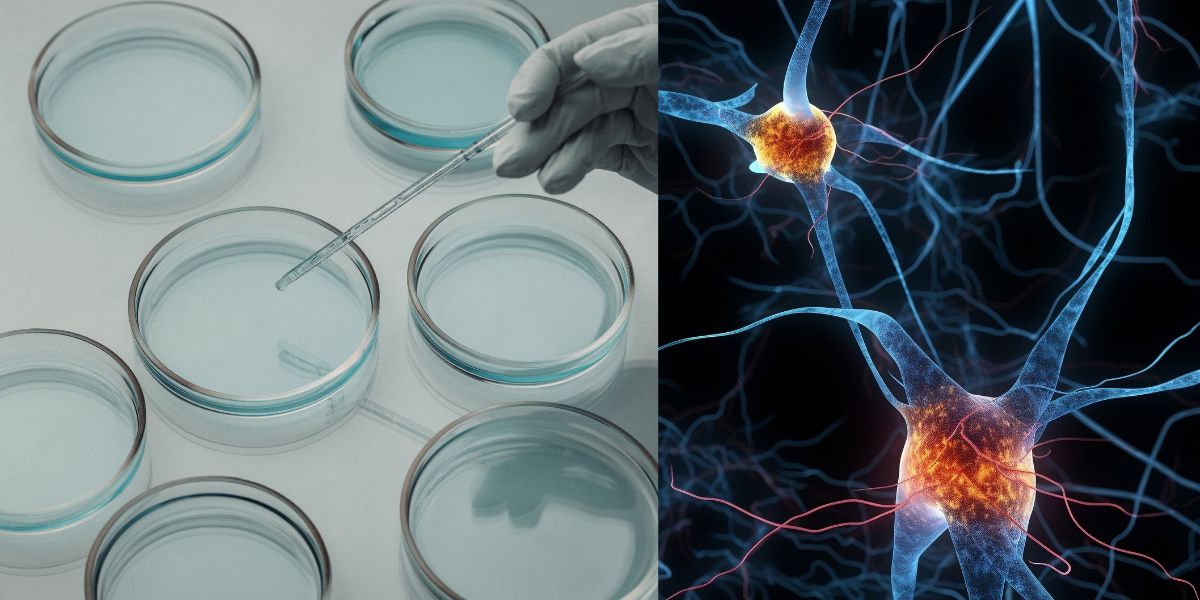
The setup involves around 200,000 human brain cells grown from stem cells donated via blood samples. These neurons are cultured on a silicon chip known as the CL1, creating what the team describes as a biological computer. The chip both stimulates the neurons with electrical signals and reads their responses, allowing the living cells to interact with a digital environment.
Before taking on Doom, the neurons were trained on much simpler tasks, including the classic game Pong. Doom proved a far tougher challenge. The fast‑paced, three‑dimensional game requires navigation, decision‑making, and targeting moving enemies, all things that are difficult even for traditional artificial intelligence systems.
At first, the brain cells performed poorly, often moving into walls or firing in random directions. Over time, however, the neurons began to adjust their behaviour, responding more accurately to on‑screen threats and completing basic objectives. According to the researchers, this improvement shows the cells are capable of goal‑directed learning and real‑time adaptation.
To make this possible, the digital world of Doom was translated into electrical patterns the neurons could understand. When an enemy appeared, specific electrodes stimulated the cells, prompting responses such as movement or firing. Researchers monitored thousands of data points on a connected computer, gradually refining the inputs to encourage more effective play.
While the demonstration may look like a novelty, Cortical Labs says the implications are far broader. The same technology could be used for drug testing, neurological research, and new approaches to machine learning that differ fundamentally from silicon‑based AI. As one researcher put it, the team is “just scratching the surface” of what living neural systems can achieve when paired with computers.